The Influence of Social Media on Consumer Purchase Decisions in the Philippines
The Influence of Social Media on Consumer Behavior in the Philippines
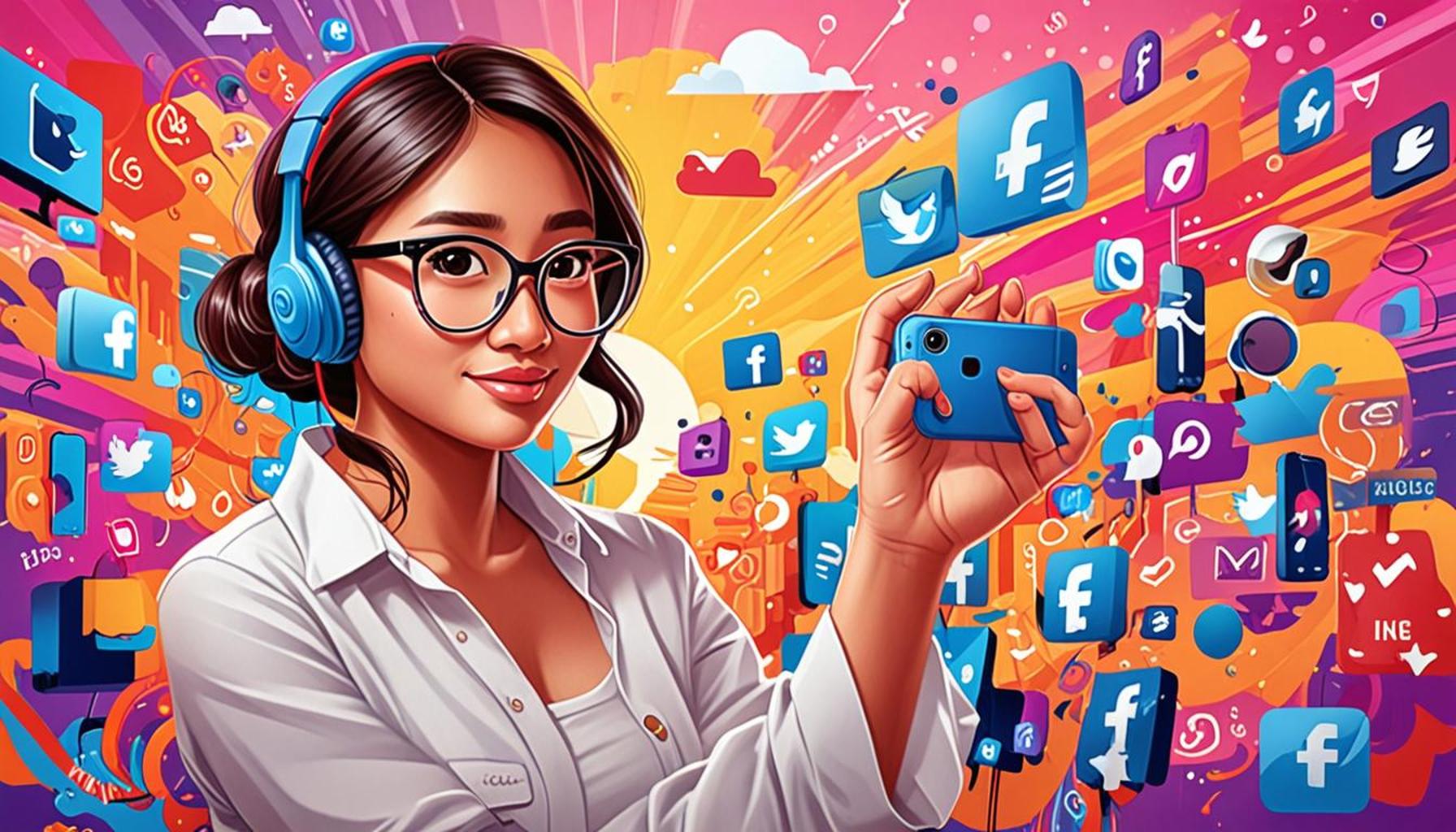
In the vibrant digital ecosystem of the Philippines, the importance of social media cannot be overstated. With more than 76 million social media users, Filipinos have embraced platforms like Facebook, Instagram, and TikTok as part of their daily lives. These platforms not only serve as venues for entertainment and connection but also play a significant role in shaping consumer behavior and influencing purchasing decisions.
The Power of Peer Influence
One of the most compelling factors that drive consumer behavior on social media is peer influence. Recommendations and reviews from friends and family members can have a profound impact on what consumers choose to buy. For instance, in a society where community and relationships are held in high regard, a glowing recommendation from a friend regarding a local skincare product can lead to a surge in sales for that item. This is especially true in a culture that values shared experiences, where a personal touch can mean more than the most polished advertisement.
The Impact of Advertisements
Additionally, targeted advertisements play a critical role in marketing strategies on social media. Utilizing sophisticated algorithms and user data, brands can deliver personalized ad experiences that resonate with Filipino consumers. For example, a Facebook ad showcasing a trendy outfit might appear on a user’s feed, precisely tailored based on their previous browsing behaviors and interests. This level of customization enhances the likelihood of engagement, as users are more inclined to respond to advertisements that align with their tastes and preferences.
User-Generated Content and Trust Building
Moreover, user-generated content is rapidly becoming an essential aspect of building brand credibility. Videos and photos shared by satisfied customers can serve as powerful endorsements that foster trust among potential buyers. The rise of ‘influencers’ or local personalities who share their authentic experiences with products has created communities built on trust and relatability. For instance, a well-known beauty influencer in Manila showcasing a makeup brand can catalyze interest and motivate followers to try that product, often leading to significant increases in sales.
Navigating the Digital Landscape
As social media continues to evolve, so does its influence on awareness and engagement in consumer decision-making processes. Businesses must adapt their strategies to meet the dynamic preferences of Filipino consumers, leveraging social media to create meaningful connections and experiences. Understanding this evolving landscape is crucial for both businesses that seek to capitalize on social media trends and consumers who navigate this modern marketplace.
In summary, the interplay between social media and consumer behavior in the Philippines is a testament to the power of connection, trust, and technology. By recognizing and adapting to these factors, businesses can better position themselves in a rapidly changing retail environment, ultimately driving success in the vibrant Filipino marketplace.
SEE ALSO: Click here to read another article
Understanding Consumer Engagement in the Digital Age
The remarkable growth of social media in the Philippines has transformed the way consumers interact with brands and products. As an essential platform for information exchange, social media enhances the ability of consumers to research, compare, and evaluate offerings in real time. This shift towards digital engagement has paved the way for a new era of informed decision-making, heavily influenced by online interactions and the collective voice of the community.
The Role of Social Media in Research and Information Gathering
A significant change in consumer behavior is the tendency to turn to social media for research before making a purchase. Filipino consumers are keenly aware that a simple scroll through their feeds can yield valuable insights about products and services. Social media enables users to see not only the features of a product but also the real-life applications and experiences from fellow consumers.
According to studies, a considerable percentage of Filipinos engage in social media searches prior to making a purchasing decision. They seek information from various sources, including:
- Brand pages: Corporate accounts often showcase products, promotional deals, and brand storytelling.
- Customer reviews: Feedback and ratings from fellow users serve as a reliable source of information.
- Influencer content: Endorsements and demonstrations from influencers provide a realistic perspective on products.
The Shift Towards Visual Content
Another dimension of consumer behavior affected by social media is the shift towards visual content. Platforms such as Instagram and TikTok have proven to be particularly influential; their emphasis on engaging visuals and bite-sized videos foster a culture of instant gratification. For Filipino consumers, a well-crafted video showcasing a product’s efficacy can be more persuasive than traditional advertising approaches.
For instance, a TikTok video demonstrating a cooking hack using a specific kitchen gadget can lead to instant interest and subsequently drive sales. The highly dynamic nature of these platforms enables brands to present inventive ways to utilize their products, captivating the audience’s attention while promoting a sense of urgency to acquire the featured items.
Social Responsibility and Community Engagement
Filipino consumers increasingly resonate with brands that embody societal values. Social media offers a platform for brands to showcase their commitment to social responsibility, tapping into the increasing desire for ethical consumerism among the populace. As consumers become more conscious of the impact of their choices, promotional campaigns that highlight community initiatives, sustainable practices, or local partnerships gain traction.
This reflects a growing trend where consumers not only seek quality but also align their purchasing decisions with their personal values. Campaigns that emphasize this alignment can create lasting connections between brands and consumers, reflecting a shift beyond mere transactions to fostering a deeper relationship rooted in shared values.
In summary, social media has become an integral part of the consumer journey in the Philippines by facilitating research, altering content consumption habits, and emphasizing ethical values. As this digital influence continues to grow, understanding these aspects will prove essential for brands aiming to effectively engage with Filipino consumers and make informed marketing decisions in the competitive landscape of the retail market.
SEE ALSO: Click here to read another article
Peer Influence and Community Dynamics
In the Philippines, the importance of community and relationships is a cornerstone of consumer behavior, especially on social media. As platforms like Facebook and Instagram foster connections, they amplify peer influence over purchasing decisions. Filipino consumers often rely on the recommendations of friends and family members, which can lead to a significant drive towards certain products or services.
Pear-to-peer interactions grow stronger as consumers share their experiences and opinions, shaping the narrative around various brands. This aspect of social media creates a sense of trust, as consumers perceive the experiences of their peers as more authentic than traditional advertising. Brands that successfully position their products within these community dialogues can gain popularity and credibility more rapidly.
For instance, during the pandemic, many Filipinos turned to online communities for advice regarding hygiene and health-related products. Groups dedicated to discussing skincare, health tips, and home remedies became platforms where influential discussions and recommendations took place. This phenomenon illustrates how local influencers or even ordinary users could sway buying behavior, making their endorsements vital for brands targeting these audiences.
The Power of User-Generated Content
User-generated content (UGC) is another powerful tool that shapes consumer purchase decisions in the Philippines. Filipino consumers tend to gravitate towards content created by their peers because it provides a sense of relatability. UGC includes everything from photos of customers using a product to testimonials shared on social media. This authentic content helps construct narratives around the products that resonate more deeply with potential buyers.
Brands that encourage and showcase UGC tap into the emotional connection that consumers have with their peers. For instance, campaigns that invite customers to share their own photos or experiences can create a community-driven marketplace where consumers feel involved and valued. When a popular local clothing brand highlights posts from its customers wearing their apparel, it not only showcases its products but also builds a communal bond among the audience.
Leveraging Influencer Marketing
The influencer marketing scene in the Philippines has exploded, with local personalities becoming notable trendsetters across various industries. From beauty and fashion to travel and food, influencers have the power to sway their followers’ choices profoundly. Brands that effectively collaborate with these influencers can harness their credibility to reach a wider audience while driving purchasing decisions.
Filipino consumers often align with influencers who reflect their own values, lifestyles, and aspirations. This alignment amplifies the effectiveness of endorsements, as followers are more likely to view these recommendations as genuine. For instance, a popular food influencer endorsing a new restaurant can result in a significant influx of customers, as followers trust their culinary judgment. Moreover, the relatability factor encourages consumers to try new options they might not have considered otherwise.
The Impact of Social Media Advertising
Social media advertising is becoming increasingly sophisticated, allowing brands to tailor their messages to specific demographics. In the Philippines, brands utilize targeted ads that resonate with local cultures and preferences. This method of advertising ensures that relevant promotions land directly in the feeds of potential customers, prompting engagement.
For example, ads that celebrate Filipino culture or highlight local festivals often capture attention and generate interest among consumers. Promotions that leverage local language, humor, and relatable scenarios can help brands cut through the noise. As consumers are inundated with advertisement content, this personalized approach increases the likelihood that they will consider making a purchase. Brands that effectively harness social media advertising, in tandem with authentic engagement strategies, enhance their relevance in the bustling digital landscape of the Philippines.
CHECK OUT: Click here to explore more
Conclusion
The influence of social media on consumer purchase decisions in the Philippines is profound and multifaceted. As digital platforms continue to evolve, they create unique opportunities for brands to engage with their audiences through peer recommendations, user-generated content, and influencer partnerships. Filipino consumers are increasingly turning to their social networks for guidance and validation, thereby shaping their purchasing behavior based on authentic community experiences rather than traditional marketing tactics.
Moreover, as businesses harness the power of targeted social media advertising, they are able to connect with consumers in a more personalized manner, resonating with local cultures and sentiments. By celebrating Filipino values and humor in their campaigns, brands can establish deeper emotional connections that further drive purchasing decisions. The emergence of local influencers as authoritative voices in various industries also underscores the importance of relatability in marketing—consumers are more likely to trust and act upon recommendations from figures they admire.
In conclusion, brands aiming to thrive in the competitive landscape of the Philippines must recognize that success lies in fostering genuine relationships within their communities. By leveraging the dynamics of social media, brands can not only reach their target audience but also cultivate loyalty through authentic engagement. Moving forward, understanding the nuances of social media influence will be crucial for businesses seeking to navigate the ever-changing behaviors of Filipino consumers in this digital age.

Linda Carter
Linda Carter is a writer and marketing specialist who helps businesses and entrepreneurs build strong brands and effective growth strategies. With extensive experience guiding companies to increase their market visibility and make data-driven decisions, she shares practical marketing insights on our platform. Her goal is to empower readers with actionable advice and proven techniques to achieve sustainable business growth and marketing success.