How to Create Multicultural Content that Resonates with Diverse Audiences in the Philippines
Understanding the Multicultural Context
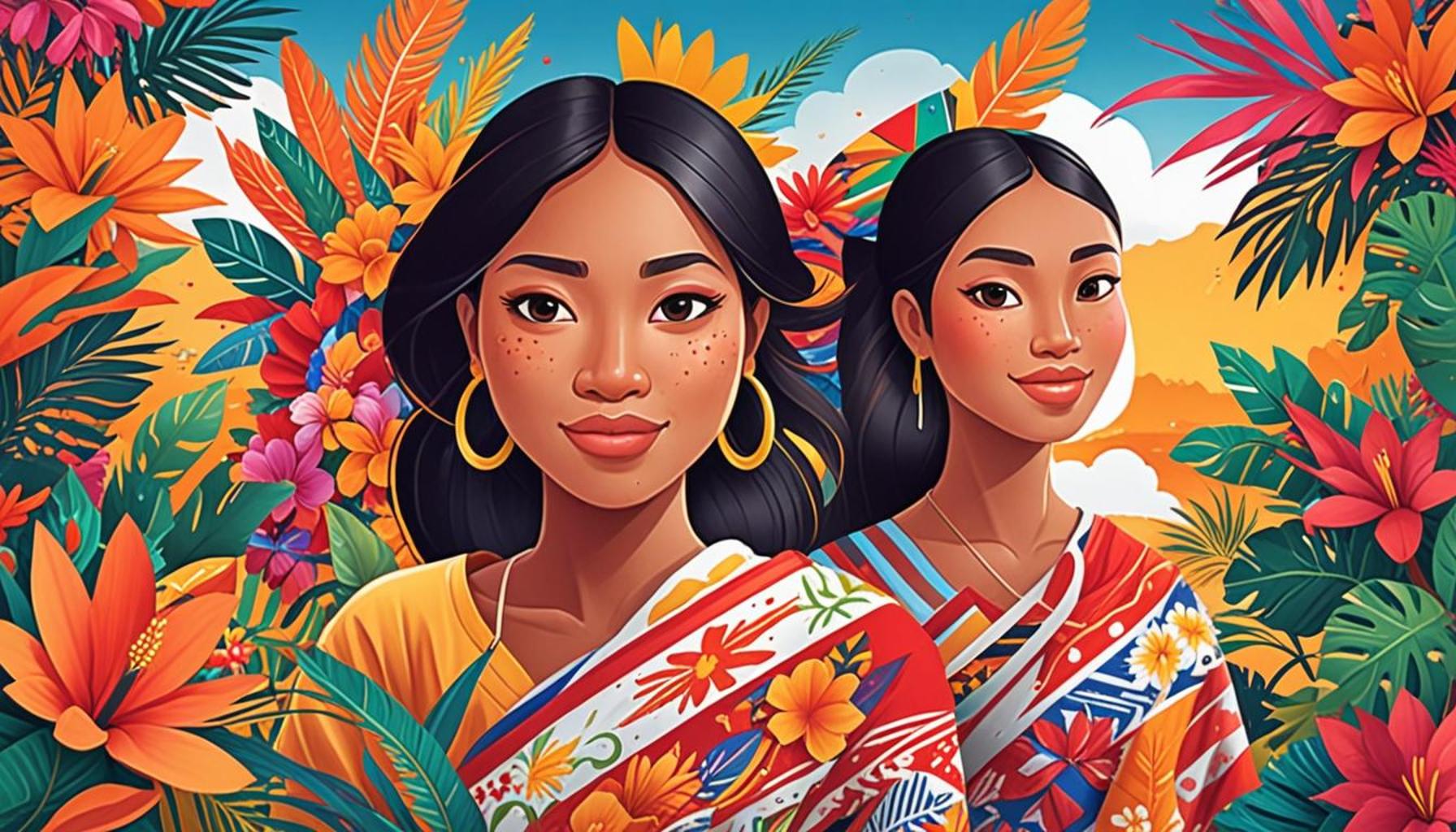
The Philippines is a nation bursting with diversity, shaped by its history, geography, and the myriad influences of various cultures. With over 7,000 islands, the Filipino identity is not monolithic; rather, it is a rich tapestry woven with the threads of various ethnic groups, languages, and traditions. In this multicultural landscape, creating content that resonates with a wide audience requires not only creativity but also a nuanced approach that recognizes the uniqueness of each community.
Key Elements for Engaging a Multicultural Audience
To truly connect with the diverse population of the Philippines, incorporating key elements into your content is essential.
- Inclusive Language: This means using language that is representative of the various dialects spoken across the nation. For instance, weaving in words or phrases from regional languages, such as Cebuano or Ilocano, can make your content more relatable. Not only does this foster accessibility, but it also shows respect for the linguistic heritage of Filipino people. A simple greeting that includes a regional dialect could set a welcoming tone and draw in readers who might feel overlooked.
- Diverse Representation: It’s important to portray stories and visuals that reflect the diversity of the Filipino population. For example, featuring narratives from Indigenous groups, such as the Lumad or the Igorot, alongside those from urban centers like Metro Manila adds depth to your content. Including images and testimonials from various ethnicities reinforces representation and helps different communities feel seen and valued.
- Cultural Relevance: Engaging with local traditions, values, and contemporary issues can significantly enhance the relatability of your content. Tapping into national celebrations like Sinulog Festival in Cebu or Pahiyas Festival in Quezon not only showcases Filipino culture but also creates an emotional connection with your audience. Discussing current events such as local initiatives for environmental sustainability or the impact of international trends can further establish relevance.
Fostering Connection Through Engagement
Embracing these elements will undoubtedly foster a sense of belonging among your readers. This approach not only enhances engagement but also cultivates loyalty among the diverse groups in the Philippines. Consistent interaction with your audience is equally important; seeking feedback can lead to greater insights about what resonates and how to improve.
In this dynamic landscape, creating multicultural content is not merely a benefit; it is a necessity for effective communication and connection in the Philippines. By being open to continuous learning and adaptation, you can build content that not only informs but also unites. At the heart of this multifaceted approach is the understanding that every voice matters, and by amplifying these voices, we create a more inclusive narrative that is reflective of the beautiful complexity of the Philippine culture.
CHECK OUT: Click here to explore more
Navigating the Cultural Landscape
Creating content for a multicultural audience in the Philippines requires a deep appreciation of the country’s diverse cultural landscape. With over 175 languages and numerous ethnic groups, the Filipino experience is inherently varied. This complexity demands that content creators not only recognize the differences but embrace them, ensuring that all voices are considered and represented.
One of the first steps in this journey is to conduct thorough research about the different cultural groups across the archipelago. Understanding the unique characteristics of each group, from the Visayans to the Tagalogs, can significantly enhance the effectiveness of your content. Here are some essential components to consider:
- Historical Context: Acknowledging the history of the Philippine islands can help frame your content in a way that resonates with people. For instance, recognizing how colonial history has shaped modern Filipino identity allows you to craft narratives that speak to shared experiences and struggles.
- Regional Nuances: The Philippines is home to various traditions and beliefs that differ from region to region. In the Bicol Region, spicy food plays a major role in their culinary identity, while in Ilocos, longganisa and bagnet are staples. By highlighting these regional touches, your content will not only be informative but also relatable to those from specific areas.
- Religious Significance: With a diverse set of religious beliefs, primarily influenced by Catholicism and Indigenous faiths, understanding the cultural importance of various religious events—such as All Saints’ Day or Ramadan for the Muslim community—can infuse your content with relevancy. Celebrating these traditions can create a deeper emotional connection with your audience.
As you gather insights and weave them into your content creation process, it’s vital to approach the subject with sensitivity and respect. Engaging with local communities to gain firsthand perspectives can also enhance authenticity. Collaborating with local writers, artists, or influencers from diverse backgrounds can provide valuable input that captures the essence of each community.
Cultural authenticity goes hand in hand with being open and receptive. By actively seeking to learn about the intricacies of different communities, you can cultivate a reservoir of knowledge that enriches your storytelling. Create content that not only informs but also celebrates the complexity of Filipino culture, encouraging audiences to find common ground amidst differences.
Ultimately, the goal is to create a range of multicultural content that resonates deeply with a sophisticated and varied audience. When the Filipino populace sees their culture reflected authentically in your work, it fosters a sense of pride and belonging. In this interconnected world, establishing a strong narrative chain that values diversity sets the foundation for unity in the rich cultural mosaic that is the Philippines.
CHECK OUT: Click here to explore more
Building Inclusive Narratives
In the pursuit of crafting multicultural content that resonates with the diverse audiences of the Philippines, it is crucial to build inclusive narratives. This means recognizing the multitude of voices, experiences, and worldviews that exist within Filipino society and weaving them into your storytelling. By fostering inclusivity, you ensure that your content is not just heard but also felt by various cultural groups.
One way to achieve this is by adopting a storytelling framework that reflects diversity. Utilize varied narratives that spotlight the experiences of different ethnicities, age groups, and social classes. For example, you can tell a story about a young student from Mindanao who overcomes obstacles related to cultural biases in education, juxtaposed with a retired veteran from Luzon reflecting on the changes he has seen in society. This duality not only highlights particular issues but also emphasizes how intertwined lives can flourish despite distinct backgrounds.
Incorporating local dialects into your content can further enhance relatability. The Philippines is home to rich linguistic diversity, and utilizing terms or phrases from different dialects—be it Cebuano, Ilocano, or Hiligaynon—can create an immediate connection with regional audiences. This authenticity demonstrates your commitment to cultural respect and can transform a simple narrative into a bridge that connects various cultural identities.
Interactive Engagement
A significant component of multicultural content creation is finding innovative ways to engage your audience. Social media platforms, community events, or public forums can serve as excellent platforms to encourage dialogues among diverse groups. Consider hosting discussions or challenges that prompt individuals to share their experiences and cultural stories. User-generated content not only enriches your narrative but also empowers the audience to take ownership of their representation, fostering a sense of community ownership.
<pMoreover, leveraging technology can help amplify diverse voices. For instance, the rise of podcasts can be an effective medium to engage audiences in conversations that reflect the multifaceted nature of Filipino life. By featuring guests from various cultural backgrounds, you cultivate a dialogue that honors different insights and experiences. Podcasts in Filipino dialects or about local issues can enhance accessibility and relatability, ultimately inviting a wider audience to participate in your narrative tapestry.
Cultural Sensitivity and Responsiveness
As you build inclusive narratives, maintaining cultural sensitivity is paramount. Stay informed about current social issues, stereotypes, and cultural appropriation that may affect specific communities. This involves recognizing when certain topics might be sensitive and ensuring that your approach is respectful rather than exploitative. For instance, crafting stories around traditional rituals must be done with a thorough understanding of their significance—engaging local historians or cultural practitioners for guidance may be immensely beneficial.
Lastly, it is essential to remain open to feedback and continuously adapt your content strategy. By actively soliciting insights from diverse audiences, you not only create a culture of collaboration but also ensure that your content evolves alongside the shifting cultural landscape. This willingness to listen and adapt fosters a deeper connection with your audience, reinforcing the notion that you value and respect their stories as integral to the collective Filipino identity.
CHECK OUT: Click here to explore more
Conclusion
Creating multicultural content that truly resonates with the diverse audiences in the Philippines is an enriching yet challenging endeavor. By employing a strategy that embraces inclusivity and fosters meaningful narratives, content creators can reflect the vibrant tapestry of Filipino culture. Recognizing the myriad voices and experiences that make up the Filipino identity is vital—not just to reflect reality, but to invite audiences to see themselves in the stories being told.
Utilizing varied storytelling frameworks and incorporating local dialects are powerful tools that enhance relatability and connection. When content speaks directly to the cultural heart of the audience, it fosters engagement and a sense of belonging. Furthermore, leveraging interactive engagement through social platforms not only invites audiences to share their narratives but also empowers them to contribute to the dialogue. This collaborative approach transforms passive consumption into an active cultural exchange.
In addition, cultural sensitivity and responsiveness must be at the forefront of content creation. As social dynamics evolve, continuing to listen and adapt based on community feedback ensures that the narratives remain relevant and respectful. By valuing the richness of Filipino diversity and honoring the personal stories embedded within, creators can craft content that not only entertains but also enlightens, educates, and unites. Ultimately, it is this dedication to shared experience and mutual respect that will allow multicultural content to thrive, truly resonating with all Filipinos, regardless of their background.

Linda Carter
Linda Carter is a writer and marketing specialist who helps businesses and entrepreneurs build strong brands and effective growth strategies. With extensive experience guiding companies to increase their market visibility and make data-driven decisions, she shares practical marketing insights on our platform. Her goal is to empower readers with actionable advice and proven techniques to achieve sustainable business growth and marketing success.