Content Distribution Strategies to Reach Local Communities in the Philippines
Building Authentic Relationships with Local Communities
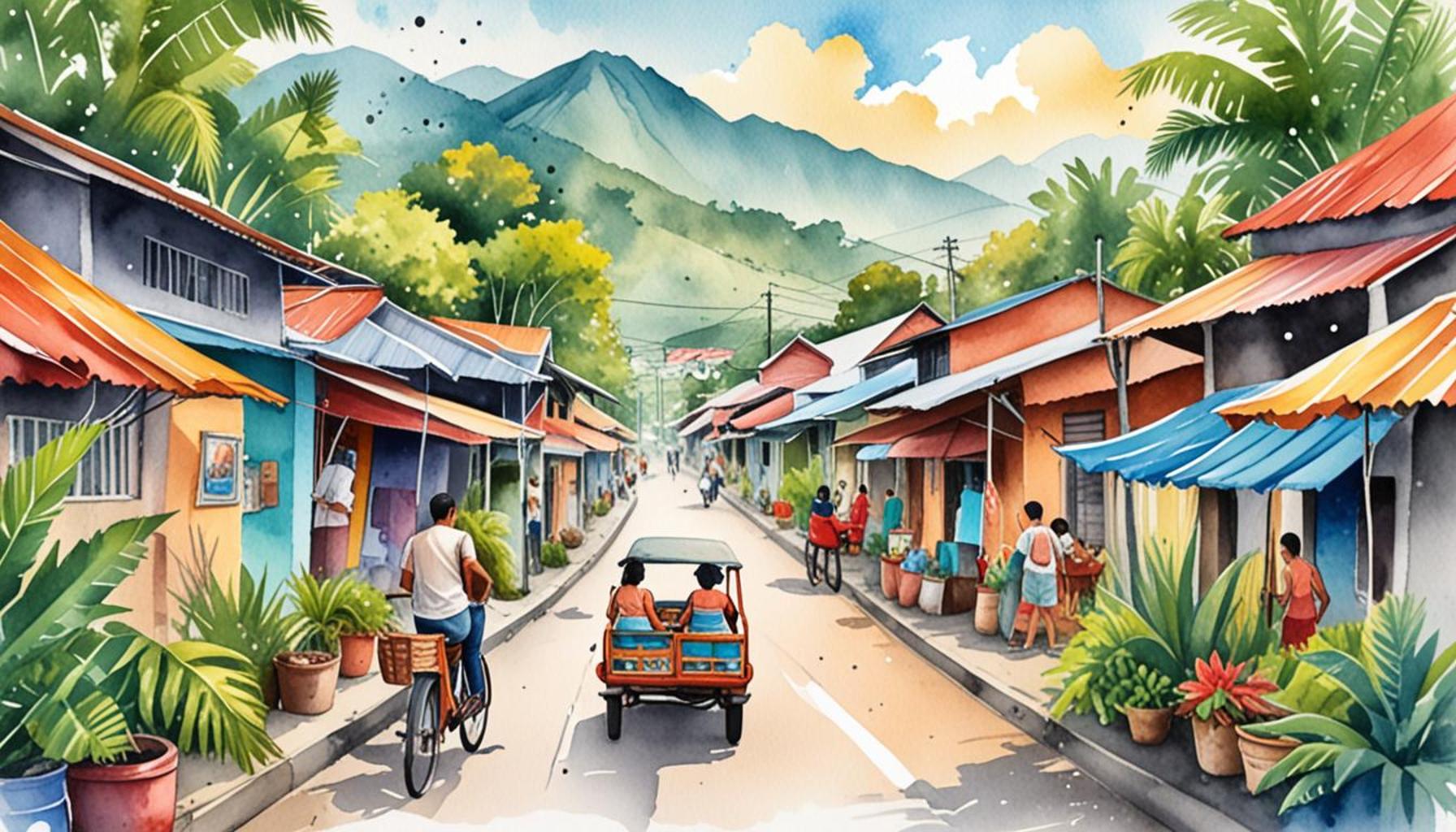
To effectively engage with local communities in the Philippines, one must embrace the rich diversity and cultural nuances that define these vibrant populations. The Philippines consists of over 7,000 islands, each with its own unique customs, traditions, and dialects. To make a lasting impact, businesses and organizations must craft content distribution strategies that resonate on a personal level. Engaging authentically requires a thoughtful approach to content that aligns with local interests while reflecting shared values.
- Local Relevance: Tailoring content to echo the community’s rhythm is crucial. For example, highlighting the importance of local festivals, such as the Ati-Atihan or Sinulog, can not only foster excitement but can also resonate with the community’s pride in their heritage. Using stories of local heroes or showcasing traditional recipes can also strengthen the emotional connection to the content.
- Diverse Platforms: In a digital landscape where social media reigns supreme, leveraging platforms popular in the Philippines is essential. Facebook, with its extensive user base, and TikTok, an emerging favorite among younger audiences, should be pivotal aspects of any outreach strategy. Engaging with local blogs or forums dedicated to specific communities can further amplify the reach of your message.
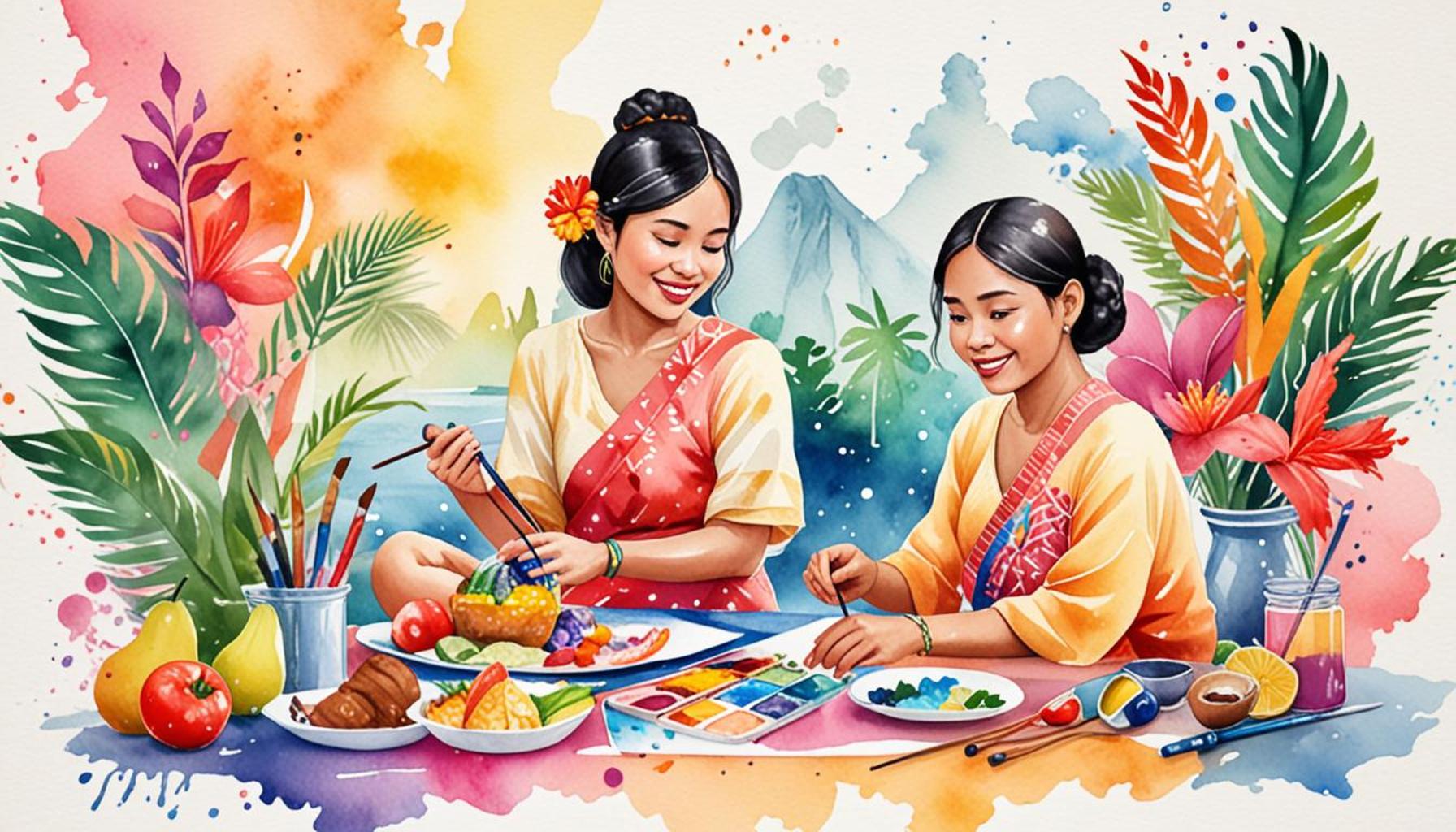
- Community Involvement: Building relationships with local influencers and community leaders can elevate your content’s visibility. Collaborating with these individuals not only lends credibility to your message but also demonstrates a commitment to the community’s interests. For instance, partnering with a local artist for a project can help share your values while supporting local talent.
The spirit of community in the Philippines is often evident in the phrase “Bayanihan,” which signifies a collective effort to achieve a common goal. To embody this ethos, adopting local dialects when communicating can create a sense of familiarity and warmth. Stories from community members, whether celebrating achievements or discussing challenges, encourage dialogue and strengthen bonds.
As you implement these strategies, it becomes evident that content distribution transcends mere information sharing; it is about fostering a living conversation with the community. By emphasizing local relevance, exploring diverse platforms, and promoting community involvement, organizations can cultivate trust and build lasting relationships within these communities.
Ultimately, employing a sensitive and multifaceted approach to content distribution will not only enhance visibility but will cultivate a deeper connection, creating ripple effects of support and engagement within the local landscape of the Philippines. This commitment leads not just to increased awareness but to a robust and loyal community that stands behind your mission.
CHECK OUT: Click here to explore more
Connecting through Local Narratives
One of the most effective ways to engage with local communities in the Philippines is through the power of storytelling. Recognizing the art of narrative in Filipino culture, where oral traditions have been a cornerstone of communication, brands can harness local narratives that encapsulate shared experiences, aspirations, and values. For instance, a campaign centered around “Kwento ng Bayan” (stories of the community) can showcase real-life experiences of locals that highlight resilience, innovation, or unity amidst challenges.
Localized storytelling should not just be seen as a marketing tactic; it is an opportunity to celebrate unique locations and foster a deeper emotional connection with the community. Here are several strategies to effectively weave local narratives into your content distribution plan:
- Highlight Local Heroes: Each community has its own unsung heroes, whether they are healthcare workers, teachers, or grassroots activists. Using these figures as the focal point of your content not only inspires but also encourages communal pride and reinforces identity.
- Cultural Celebrations: The Philippines is rich with festivals and traditions. Creating content that aligns with these events, such as the Pahiyas Festival in Lucban or the Panagbenga Festival in Baguio, can deepen engagement. This allows businesses to align their messaging with the joyous spirit of the event, making it relevant and appealing.
- Incorporate Local Dialects: Language is a powerful tool for connection. Using local dialects can break down barriers and make communication feel personal. For example, a campaign promoting local products can include Tagalog, Visayan, or Ilocano phrases, making the message more relatable.
Moreover, a multi-channel approach to disseminating these narratives ensures wider reach. Aside from leveraging platforms like Facebook and Instagram, consider engaging with community-based platforms like Foursquare or Local Guides. This creates opportunities for sharing authentic stories through reviews or experiences directly from community members.
It’s essential, however, to approach storytelling with respect and accuracy, as misrepresenting or oversimplifying local narratives can lead to disengagement or mistrust. Involving local storytellers, writers, and artists not only enriches the narrative but fosters a sense of ownership within the community. Initiatives like collaborative workshops to co-create content with local influencers can result in a more impactful message aligned with community values.
Ultimately, content distribution strategies that prioritize local narratives not only promote engagement but cultivate a sense of belonging. By embracing and amplifying these stories, brands become more than just external entities; they turn into partakers of the rich cultural fabric woven through Filipino communities. In doing so, they not only build brand loyalty but also create environments where local voices are heard and celebrated.
SEE ALSO: Click here to read another article
Utilizing Community Partnerships
A successful content distribution strategy that resonates with local communities in the Philippines goes beyond merely telling stories; it involves forging genuine partnerships with local organizations and influencers. Collaborating with trusted community partners can enhance authenticity, enabling brands to penetrate deeper into the community’s fabric. By aligning with local NGOs, schools, and even local government units, brands can tap into existing networks and cultivate a sense of trust that facilitates community engagement.
Community sponsorships can serve as an excellent platform for reaching local audiences. Businesses can sponsor local events, sports teams, or cultural workshops, which puts their name at the forefront of community activities. For instance, a food brand can sponsor a cooking seminar showcasing traditional Filipino recipes, using local ingredients, thus appealing directly to the taste buds and cultural heritage of participants. This not only promotes the brand but also establishes it as a supportive member of the community.
Furthermore, creating collaborative campaigns with local influencers or community leaders holds immense potential. These individuals often have substantial clout and can serve as powerful advocates for brands seeking to make a mark in their community. By working closely with them, brands can co-create content that feels organic and grounded in local culture. For example, a local artist might be involved in designing promotional materials or content that encapsulates community emotions and sentiments, further bridging the gap between the brand and local audiences.
Additionally, operating in a phygital environment—a blend of physical and digital—can significantly amplify the reach of content. Utilizing local retail spaces, pop-up events, or community fairs allows businesses to showcase their offerings physically while driving traffic to their digital platforms. Companies can distribute branded materials or QR codes that link to engaging video content or online platforms, effectively merging the digital and physical worlds. This strategy brings the product or service closer to the consumer, creating touchpoints that can lead to long-lasting relationships.
Integrating feedback mechanisms is also crucial in this engagement process. By providing platforms for community feedback, whether through social media polls or community forums, brands can listen directly to the voices of their consumers. This not only fosters a culture of inclusion but also empowers communities by allowing them to shape the narrative around the brand themselves. Listening and responding to concerns or suggestions demonstrates respect and prioritizes local needs, encouraging deeper connections.
Another innovative approach is to host content co-creation workshops where community members are invited to share their stories, traditions, and perspectives directly. This participatory method not only enriches the content but also fosters local ownership and investment in the campaign. By putting community voices at the forefront, brands can develop marketing campaigns that authentically reflect local values and sentiments, resulting in more effective messaging.
Emphasizing these partnerships and collaborative efforts can redefine how brands engage with local communities. By embedding themselves within the community network and leveraging local influences, brands can create a more robust and resonant content distribution strategy that speaks to the heart of Filipino culture. Through effective collaboration, the relationship between brands and local communities transforms from one-dimensional transactional exchanges to meaningful, multifaceted connections that stand the test of time.
SEE ALSO: Click here to read another article
Conclusion
In the dynamic landscape of the Philippines, establishing strong connections with local communities through effective content distribution strategies is more crucial than ever. By prioritizing authentic partnerships with local organizations, influencers, and community leaders, brands can enhance their credibility and reach. Emphasizing community sponsorships, collaborative campaigns, and innovative interactive platforms give businesses the tools to resonate deeply with their audience while fostering a sense of belonging.
Moreover, embracing a phygital environment allows brands to merge physical experiences with digital engagement, creating seamless touchpoints that encourage interactions. Integrating feedback mechanisms and hosting content co-creation workshops not only empowers community voices, but also weaves local narratives into brand storytelling, leading to content that truly reflects the spirit of the community.
This holistic approach not only elevates marketing strategies but lays the groundwork for lasting relationships built on trust and collaboration. As businesses adapt to this framework, they embrace an ongoing journey of connection, culture, and responsibility. By genuinely aligning with local communities, brands can foster not only engagement but also loyalty and advocacy, redefining their role within the vibrant tapestry of Filipino life. Ultimately, the key lies in listening, participating, and honoring the unique values that each community holds dear, resulting in a content distribution strategy that is rich, diverse, and impactful.