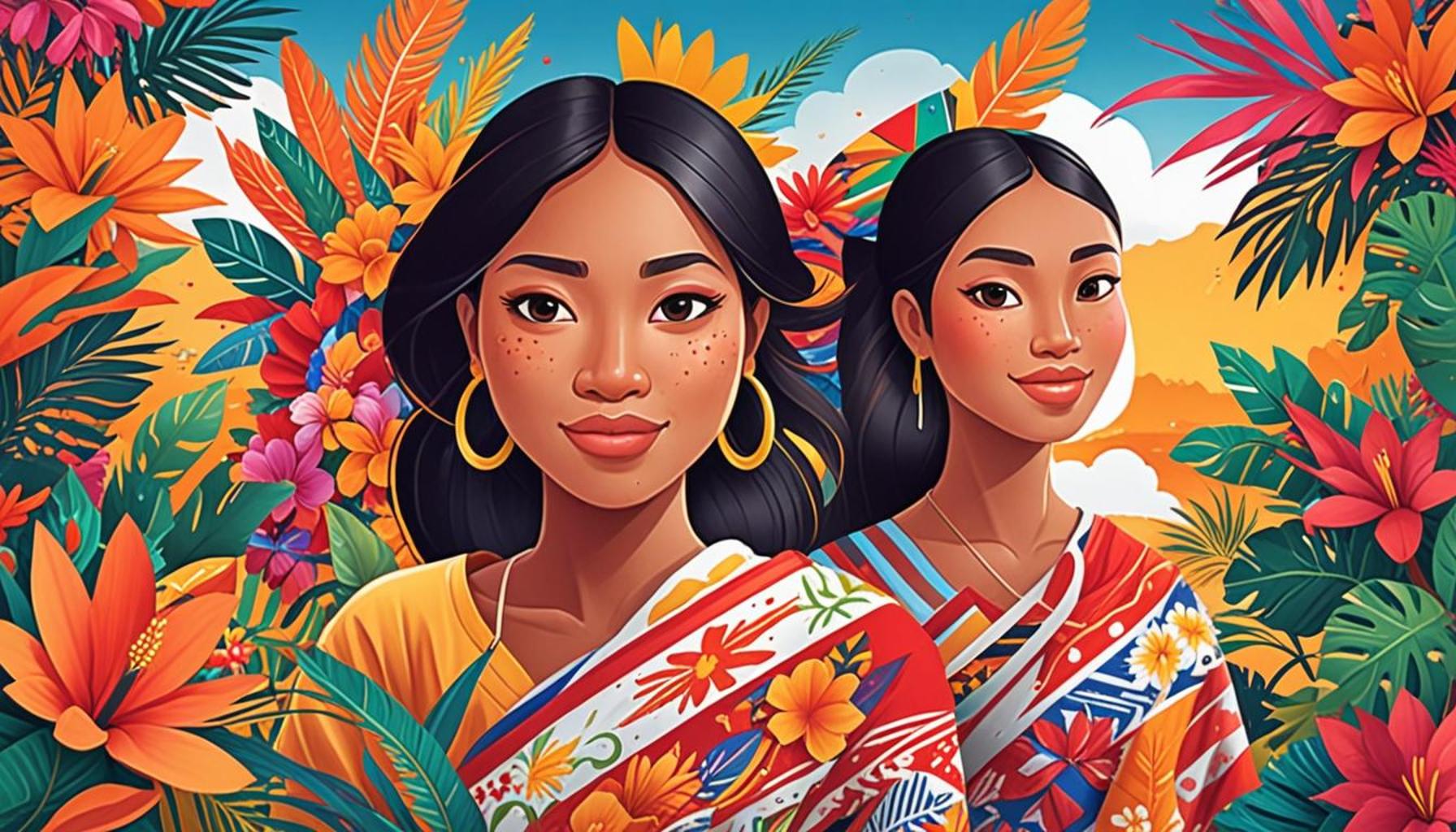
How to Use Storytelling in Content Strategy to Engage Filipino Consumers

Understanding the Power of Storytelling in Brand Engagement
In a world overflowing with advertisements and promotions, brands are challenged to stand out and capture the interest of their target audience. Among the myriad strategies available, storytelling has emerged as a potent tool, particularly effective in connecting with Filipino consumers. By embracing this time-honored tradition, brands can weave themselves into the fabric of local culture, making their messages more relatable and impactful.
Filipinos have a rich tradition of storytelling, showcasing a myriad of narratives ranging from epic tales of valor to heartwarming family sagas. This inherent appreciation for storytelling offers brands an opportunity to engage with consumers on a deeper level. One way to do this is by creating stories that feature characters Filipinos can identify with. Relatable Characters serve as a bridge between the brand and the audience, allowing consumers to see their own lives reflected in the narratives. A fictional character who embodies the struggles of a typical Filipino, such as juggling work and family responsibilities, can strike a chord and inspire loyalty among consumers.
Another critical element is Cultural Relevance. By weaving local customs, traditions, and even humor into their narratives, brands can create content that resonates. For example, during the annual fiesta season, many Filipinos cherish the spirit of community, sharing food and stories with neighbors. Brands that produce content highlighting this sense of togetherness, or even revisit the quirky traditions unique to various provinces—like the colorful Ati-Atihan festival—can connect with their audience in a meaningful way. Humor is also vital; light-hearted storytelling that reflects everyday Filipino experiences can create bonds, encouraging consumers to share these narratives across social media.
Moreover, brands can connect on a profound emotional level by tapping into the Emotional Appeal. Filipinos are known for their strong familial bonds and community spirit. Stories that evoke feelings of nostalgia or celebrate family values will resonate powerfully. Brands like Coca-Cola have successfully harnessed this by crafting commercials that showcase familial moments, such as reunions, birthdays, or simply sharing a meal, appealing to the heartstrings of their audience. This emotional connection not only enhances brand loyalty but also encourages consumers to see themselves as part of the broader narrative.
Ultimately, adopting a storytelling approach allows brands to humanize themselves, transforming marketing messages into engaging narratives that invite the audience to participate. As brands continue to explore the vibrant tapestry of Filipino stories, the potential for meaningful connections only grows. By making storytelling a cornerstone of their marketing strategies, businesses can expect to foster loyalty, elevate engagement, and create a community around their brand. The stories are endless, and the journey to connect with your audience is just beginning.
CHECK OUT: Click here to explore more
Crafting Compelling Narratives That Resonate
To effectively engage Filipino consumers through storytelling, brands must first understand the elements that make narratives compelling. The first step in this journey is to identify authentic themes that resonate with the local audience. Themes such as perseverance, community support, and the celebration of Filipino culture should be key components of any story crafted for this demographic. These themes not only reflect the lives of Filipino consumers but also bring the brand closer to their heart.
Another crucial aspect is the use of local languages and dialects. The Philippines is home to more than 175 languages, and incorporating local expressions in storytelling can enhance relatability. For instance, using Tagalog or Cebuano phrases can evoke a sense of familiarity and warmth, making the brand feel more approachable. A story that features a character from a specific region, speaking the dialect of that area, can foster a stronger connection with the audience. The right turn of phrase can transform an ordinary narrative into something truly special, drawing in consumers from different parts of the archipelago.
Visual storytelling is another incredibly effective method for engaging Filipino audiences. The use of vivid imagery and local settings can transport consumers into the narrative. Imagine a scene set in a bustling market during the Pahiyas Festival, where colorful decorations and smiling faces create a vibrant backdrop. This not only captivates the audience but also encourages them to visualize themselves within the brand’s story. Brands like Jollibee have excelled in this area, utilizing visually-rich advertisements that highlight familial gatherings and joyous celebrations, ultimately bringing the stories to life on screen.
Furthermore, storytelling should always feature a clear message or takeaway. The best stories often challenge or inspire the audience, promoting ideals that align with Filipino values such as “Bayanihan” or the spirit of communal unity. For instance, a brand sharing a story about how neighbors came together to help each other during challenging times can reinforce the message of solidarity while subtly promoting their product as a part of that supportive community. This thoughtful blending of narrative and message can leave a lasting impact in consumers’ minds.
- Emphasize authentic Filipino themes—tell stories that revolve around local values and traditions.
- Use local languages—infuse dialogues with phrases that resonate deeply with different regions.
- Incorporate rich visuals—create vibrant scenes that evoke cultural nuances and everyday life.
- Share clear, relatable messages—reflect on ideals that resonate with the audience’s personal experiences.
By focusing on these essential narrative elements, brands can leverage storytelling to foster genuine connections with Filipino consumers. This approach lays the groundwork for building a loyal customer base, as consumers are more likely to engage with brands they feel represent their culture and values. As brands invest in crafting these compelling stories, the potential for greater engagement and brand loyalty expands significantly.
CHECK OUT: Click here to explore more
Leveraging Emotional Connections through Personal Stories
Emotion plays a crucial role in storytelling, and Filipino consumers are particularly responsive to narratives that evoke feelings of nostalgia, joy, and even heartache. To capture this emotional essence, brands can create personal stories that encapsulate relatable experiences. For instance, a narrative highlighting a cherished childhood memory tied to a product or service can resonate immensely with the target audience. Imagine a brand crafting a story about a mother preparing her favorite adobo recipe, using their product as an essential ingredient. This connection to family traditions creates a warm, inviting atmosphere that speaks volumes about culture and identity, allowing consumers to feel a genuine bond with the brand.
In addition to personal stories, brands can harness community storytelling to strengthen their connection to Filipino consumers. Engaging with local communities and highlighting their unique experiences fosters relatability and pride. For example, a company could launch a campaign that showcases various local artisans and their craftsmanship, effectively weaving their stories into the fabric of the brand. By doing so, the brand demonstrates support for local talent and values community spirit while enriching the narrative with rich cultural context.
The digital landscape provides brands with vast opportunities to share stories through social media platforms. Interactive content, such as polls, quizzes, and live storytelling events, can engage Filipino consumers more deeply. Brands can invite audiences to share their stories or experiences related to a product, creating a two-way conversation that fosters loyalty and engagement. For example, a beverage company could encourage customers to share their own “pahinga” (rest) moments while enjoying their drink, showcasing these contributions in their marketing materials. This participatory approach not only amplifies brand engagement but also strengthens the emotional connection with consumers.
Another strategic element in storytelling is inclusivity. Filipino culture is diverse, comprising various ethnic groups and backgrounds. Representation in narratives can help connect with broader audiences by highlighting various segments of society. Brands that embrace this rich tapestry of culture in their stories by featuring characters from diverse backgrounds not only resonate with a wider audience but also promote a sense of belonging. For example, a cosmetics brand featuring models of different skin tones and cultural backgrounds in their campaigns shows that beauty comes in all forms and empowers individuals to feel included.
- Tap into emotional storytelling—share personal narratives that evoke nostalgia and connection.
- Highlight community stories—showcase local talents and experiences that resonate with the audience.
- Utilize social media engagements—create interactive storytelling formats, encouraging audience participation.
- Ensure inclusivity in narratives—represent diverse backgrounds and cultures to foster broader connections.
Ultimately, blending emotional resonance with personal and community-driven storytelling allows brands to engage Filipino consumers authentically. When consumers see their stories reflected in brand narratives, they are more likely to connect not only with the stories but also with the brand itself, thus fostering loyalty and a deeper sense of belonging within the target community. As brands actively explore these diverse storytelling strategies, the potential for building long-lasting relationships with Filipino consumers becomes more substantial.
CHECK OUT: Click here to explore more
Conclusion
In conclusion, storytelling stands as a powerful tool that can significantly enhance a brand’s content strategy, especially when engaging Filipino consumers. By weaving narratives that touch upon their shared experiences, cultural values, and emotional connections, brands can create compelling content that resonates deeply with their audience. Emotional storytelling that draws on personal and collective memories enables consumers to forge genuine bonds with products and services, transforming them from mere purchases into cherished relationships.
Moreover, embracing community storytelling allows brands to highlight local artistry and experiences, fostering a sense of pride and belonging within Filipino consumers. By showcasing the unique narratives and talents of local communities, brands not only connect with their audience but also uplift local cultures. The integration of interactive social media engagement enriches this connection further, inviting the audience into the brand’s story and creating a platform for shared experiences and voices.
Lastly, prioritizing inclusivity in storytelling ensures that diverse perspectives are represented, resonating with a broader audience and promoting acceptance. As brands continue to refine their storytelling techniques, they will uncover new paths to engage Filipino consumers in meaningful ways. Ultimately, the effective use of storytelling not only drives brand loyalty but also fosters a vibrant community where consumers feel seen, heard, and valued. By championing these narratives, brands have the unique opportunity to not only market their products but also play a pivotal role in the cultural tapestry of the Philippines.