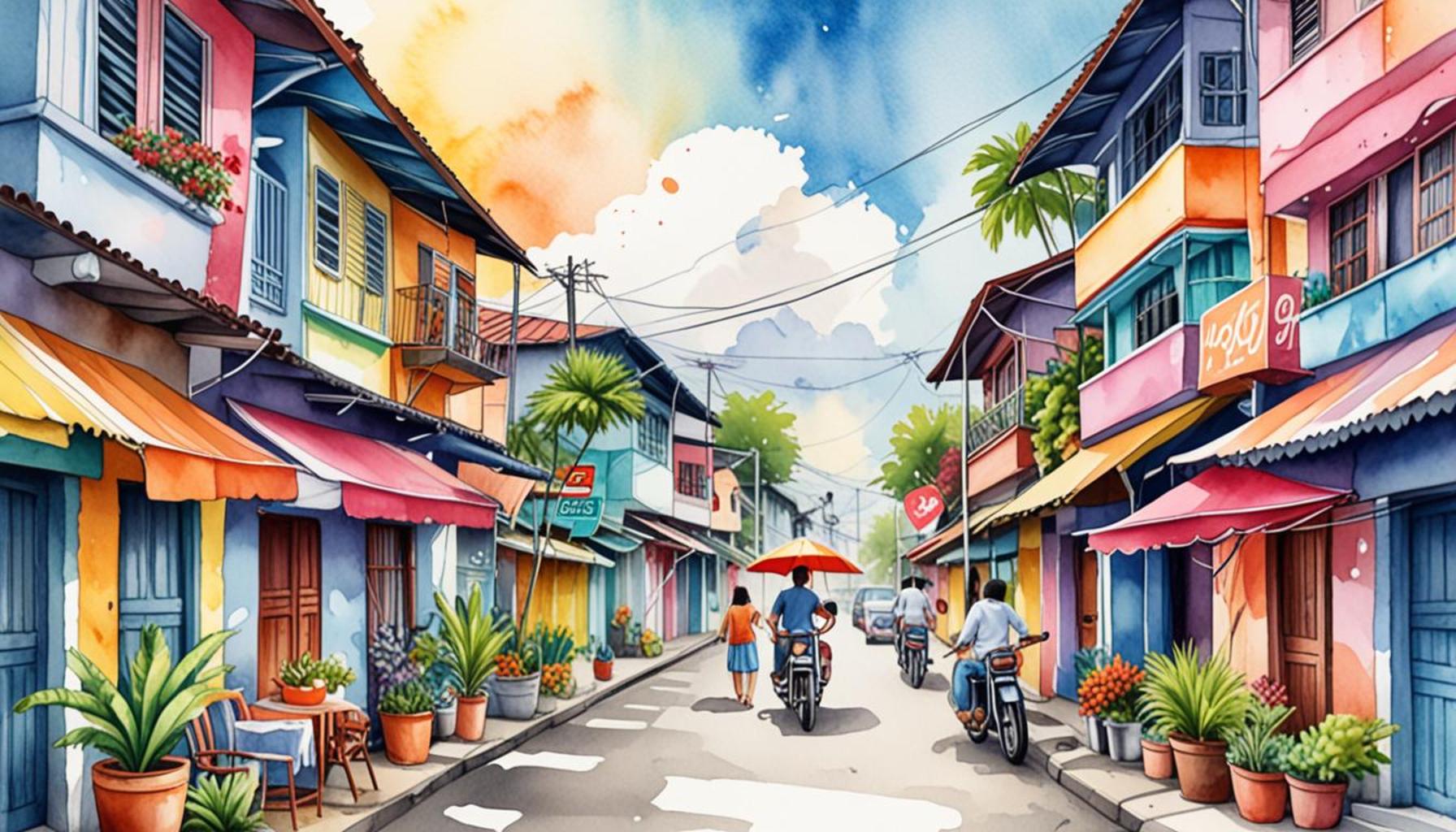
The Impact of Social Media on the Promotion of Cultural Events in the Philippines
Transformation of Cultural Event Promotion
In today’s fast-paced digital world, the Philippines has undergone a significant evolution in the promotion of cultural events. As technology permeates various aspects of life, it has particularly influenced the ways in which local festivities are advertised and celebrated. The advent of social media has revolutionized traditional marketing methods, enabling a more vibrant, connected, and dynamic platform for cultural expression.
Platforms like Facebook, Instagram, and Twitter have emerged as crucial avenues for outreach. With millions of active users in the Philippines, these social media channels facilitate communication and interaction in ways that were previously unimaginable. For instance, when an event like the Sinulog Festival in Cebu kicks off, organizers can post real-time updates, share countdowns, and even livestream performances to keep audiences engaged and excited. This immediacy has created a buzz around such events that extends beyond local participants, enticing tourists and expats alike to join in on the festivities.
Key Impacts of Social Media
One notable impact of this digital shift is the wider audience reach. Events can now attract attendees from various regions, transcending geographical boundaries. For example, someone from Manila can easily learn about the Pahiyas Festival in Quezon Province through a simple social media post, leading to greater attendance and participation.
Real-time engagement is another significant advantage offered by social media. Organizers can interact with potential attendees, answer queries, and provide immediate feedback. This enables a sense of community, with fans and participants feeling more connected to the culture and the celebration itself. During the Panagbenga Festival in Baguio City, many attendees share their experiences online, creating an engaging conversation that encourages others to experience the magic of the festival personally.
Furthermore, social media promotes cultural exchange. Participants are encouraged to share their experiences, photos, and stories, allowing for a rich tapestry of cultural narratives. For instance, a foreign tourist attending the Pahiyas Festival may post about their experience, highlighting unique local traditions and foods, thus attracting interest from their followers—who may not have been familiar with Filipino culture previously. This sharing of experiences plays an essential role in fostering appreciation and understanding among diverse cultures.
User-Generated Content
The interactive nature of social media fosters a collaborative environment where attendee-generated content flourishes. Videos, photos, and testimonials enrich the narrative surrounding these events. Such contributions not only enhance the authenticity of the events but also play a critical role in attracting a larger, more diverse audience. With hashtags and dedicated event pages, a single post can gain traction quickly, capturing the imagination of online communities.
As the Philippines navigates through this digital landscape, it is clear that social media has redefined how its cultural traditions are celebrated and shared. From the lively streets of Cebu to the artistic displays in Quezon, the ability to connect and promote these rich festivities has never been more accessible. The vibrancy of Filipino culture continues to thrive in this new age, facilitated by the power of social media, ensuring that these cherished traditions will be celebrated for generations to come.
CHECK OUT: Click here to explore more
Amplifying Voices through Social Media
As we delve deeper into the impact of social media on the promotion of cultural events in the Philippines, it becomes evident that the digital landscape has transformed the way festivals and traditions are shared and celebrated. With platforms such as Facebook and Instagram, event organizers can tap into the power of visual storytelling to enhance the promotional experience. By showcasing colorful parades, vibrant costumes, and mouth-watering delicacies, these platforms grant festivals a visual identity that resonates with potential attendees.
The utilization of hashtags and location tags plays a crucial role in making cultural events discoverable. For instance, the captivating Ati-Atihan Festival of Kalibo, Aklan, can reach audiences far beyond its geographical confines when enthusiasts use specific hashtags like #AtiAtihan2023 in their posts. This engagement not only extends the event’s visibility but also fosters a sense of involvement, with online users feeling part of the festivities even from a distance. It is this collective participation that invokes curiosity and encourages both locals and tourists alike to join the celebrations.
Breaking Down Barriers
Social media has effectively succeeded in breaking down barriers that once limited access to information about cultural events. Previously, information on local festivities might have been confined to flyers, word-of-mouth, or newspaper ads. Now, anyone with an internet connection can easily receive timely updates about itineraries, event locations, and special guests. Moreover, the use of livestreaming during these events means that individuals who cannot attend in person still get to experience the excitement and energy of cultural celebrations. The breathtaking floral floats of the Panagbenga Festival, for example, can be viewed by thousands around the globe in real-time, transforming localized festivities into a global spectacle.
In addition to breaking geographical and informational barriers, social media also encourages a more collaborative approach in promoting cultural events. Event organizers are increasingly partnering with local influencers and content creators to amplify their reach. These partnerships can take various forms, such as sponsored posts, event previews, and even influencer-led activities during the festival itself. Some of the ways collaboration is achieved include:
- Influencer partnerships: Local personalities who align with the festival’s values can promote events through their platforms.
- Interactive contests: Social media contests that encourage users to share their experiences can create organic growth in interest.
- Collaborative content: Teaming up with bloggers or vloggers to showcase the event can attract a diverse audience.
These collaborations not only enhance the promotional activities but also create a genuine sense of excitement that ripples through social media communities. As attendees share their experiences, they contribute to a continuously evolving narrative surrounding the events, inviting others to partake in the celebrations. This grassroots approach further solidifies the bond between cultural events and the online community, fostering inclusivity, celebration, and appreciation for Filipino heritage.
CHECK OUT: Click here to explore more
Creating Community through Engagement
Moreover, social media serves as a vital platform for fostering community engagement around cultural events in the Philippines. It provides a space where individuals can not only follow events but actively participate in discussions and share personal stories related to their experiences. Through dedicated groups and pages, attendees can connect with one another, exchange tips, and express their excitement leading up to the festivities. This creates a supportive network that transforms mere spectators into active participants, enriching the event’s spirit.
For example, the Pahiyas Festival in Lucban, Quezon, utilizes social media to its advantage by encouraging locals to showcase their own creative interpretations of the festival themes. Participants often share photos of their colorful displays of “kiping” (rice wafers) and other household decorations on Facebook, which promotes a sense of pride in local craftsmanship. This not only bolsters community involvement but also invites tourists to witness the collective creativity that defines the festival, ultimately enhancing the cultural richness of the experience.
Harnessing User-Generated Content
Another significant aspect of social media’s influence on cultural events is the power of user-generated content. The immersive nature of platforms like TikTok and Instagram has led to the rise of viral trends where individuals capture candid moments, dances, and highlights from various festivals. Users create and share short clips that often catch the eye of a wider audience, helping to market the event organically. This spontaneity transforms festival promotion into a more relatable and authentic experience, as potential attendees see real-life reactions and festivities in action.
- Visual storytelling: Attendees post vibrant photos and videos using festival hashtags, showcasing their enjoyment and attracting others to join.
- Challenge campaigns: Social media challenges, such as dance-offs or creative storytelling, encourage participation and elevate visibility.
- Live updates: Influencers and attendees alike provide real-time updates during events, creating a virtual festival ambiance for those unable to attend.
The organic sharing of content fuels interest and creates a buzz that traditional advertising may struggle to achieve. Furthermore, it leaves a digital footprint that allows future attendees to retrace the highlights of past events, ensuring that the cultural narrative continues to thrive online. The endless scroll of festival memories serves as both advertising and an invitation for prospective participants to immerse themselves in the next celebration.
Preserving Cultural Heritage through Innovation
Additionally, social media acts as a catalyst for preserving cultural heritage through innovation. In a world where traditional practices risk being overshadowed by contemporary culture, digital platforms ensure that indigenous practices receive the attention they deserve. For instance, events like the Kadayawan Festival in Davao City not only showcase the vibrant floral displays and street dancing but also educate followers about the indigenous tribes that contribute to the rich cultural diversity of the Philippines. By promoting the stories behind the festivities through engaging content, social media becomes a tool of cultural preservation.
This innovation extends to collaborations with educational institutions and arts organizations that leverage social media as an avenue to inform the younger generation about their heritage. By bridging the gap between tradition and technology, event organizers can utilize engaging multimedia content that attracts young audiences, ultimately ensuring that cultural events remain relevant and impactful in a rapidly modernizing society.
In this way, social media becomes more than just a promotional tool; it evolves into a vessel for cultural expression and preservation, inviting Filipinos to hold onto their rich heritage while embracing the digital era.
SEE ALSO: Click here to read another article
Conclusion
In conclusion, the impact of social media on the promotion of cultural events in the Philippines is profound and multifaceted. As a powerful tool for community engagement, platforms like Facebook, Instagram, and TikTok not only enhance visibility for events but also enrich the cultural experience for both locals and tourists. Through user-generated content, festival attendees can share their vibrant experiences, translating personal joy into collective enthusiasm that reaches far beyond physical boundaries. This organic promotion cultivates a sense of unity and encourages participation, transforming the approach to cultural representation.
The role of social media in preserving cultural heritage cannot be overstated. By highlighting traditional practices and showcasing indigenous stories, it ensures that future generations maintain a connection to their roots while navigating the modern digital landscape. As events like the Kadayawan Festival and Pahiyas Festival harness these platforms, they do not merely celebrate culture; they actively educate and inspire, bridging the gap between the past and present.
As the Philippines steps further into a digital future, the collaboration between technology and cultural expression emerges as a beacon of hope for sustaining rich traditions. The challenge lies in maintaining authenticity while innovating continuously. A concerted effort to leverage social media’s power will not only lead to greater participation in cultural events but will also help preserve the very essence of what makes Filipino culture unique. Ultimately, social media is not just a conduit for promotion; it is a vital instrument for cultural revival and community building in a rapidly evolving society.